何庠宥 Jonathan Ho
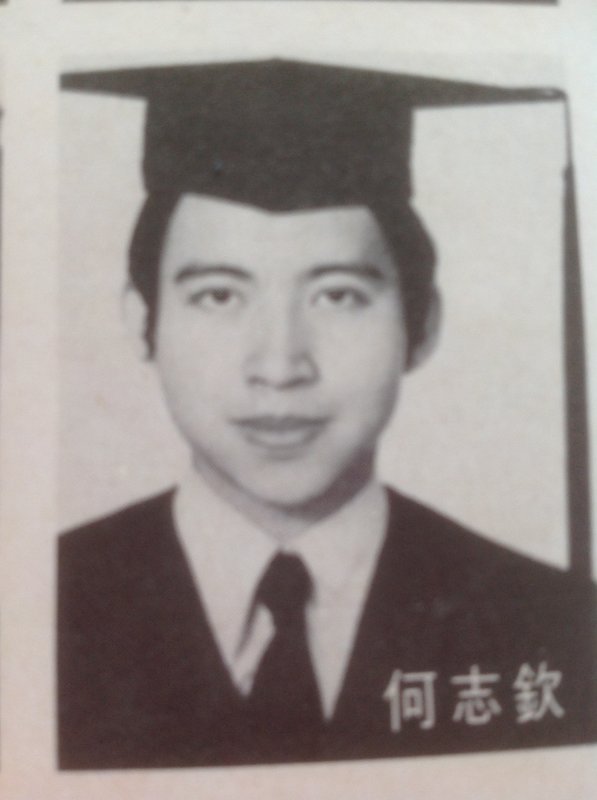
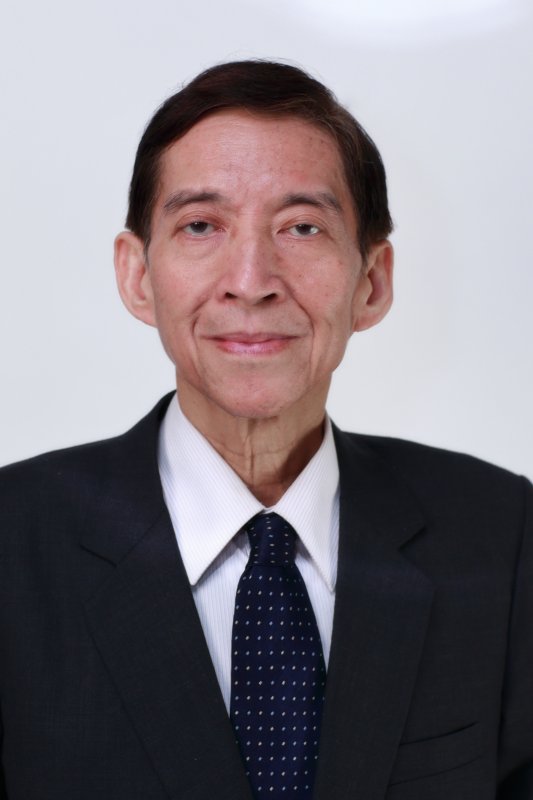
In Memory of my Late Father – Chih-Chin Ho
Written by: Jonathan Ho
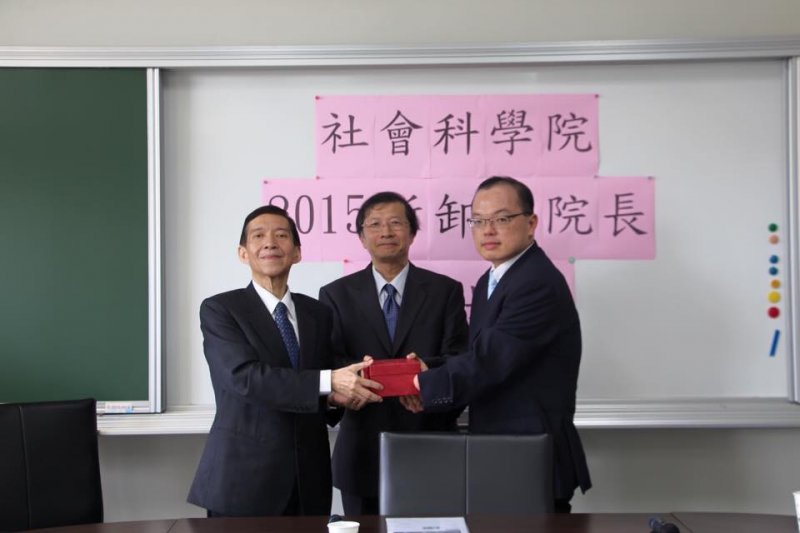
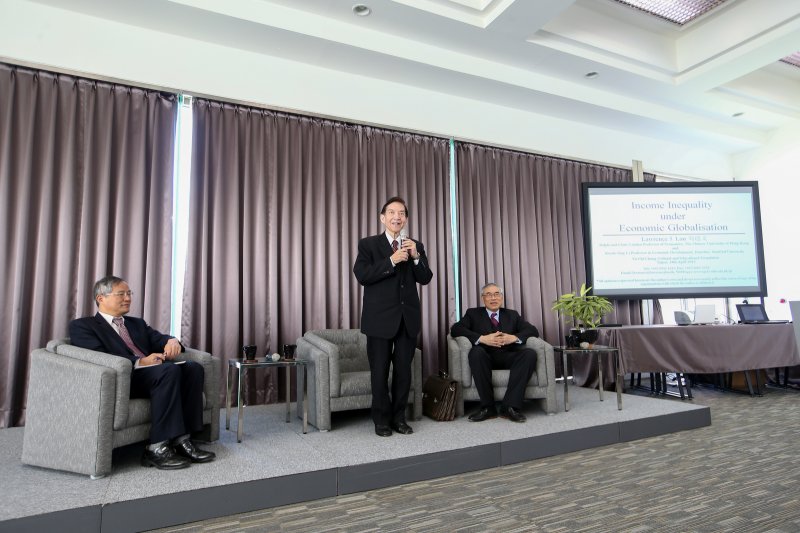
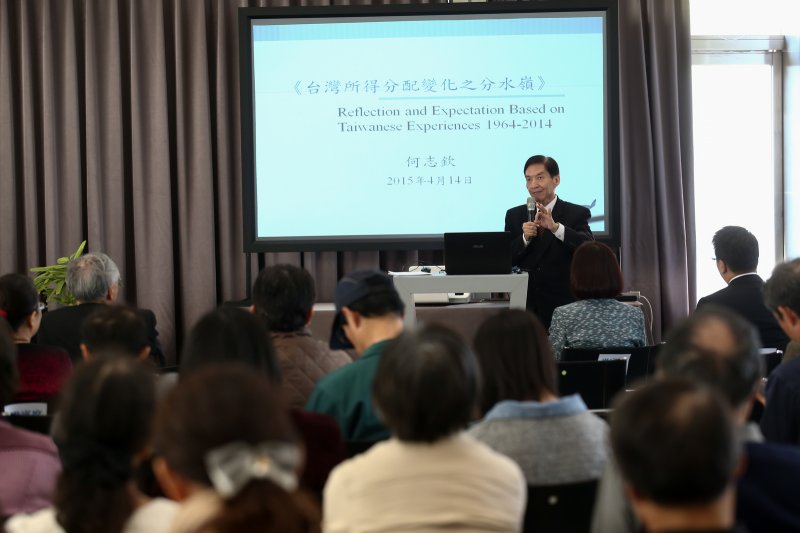
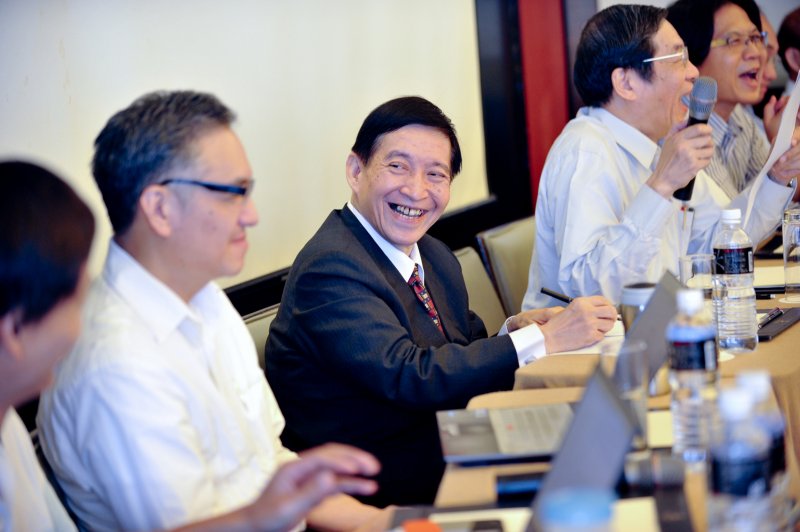
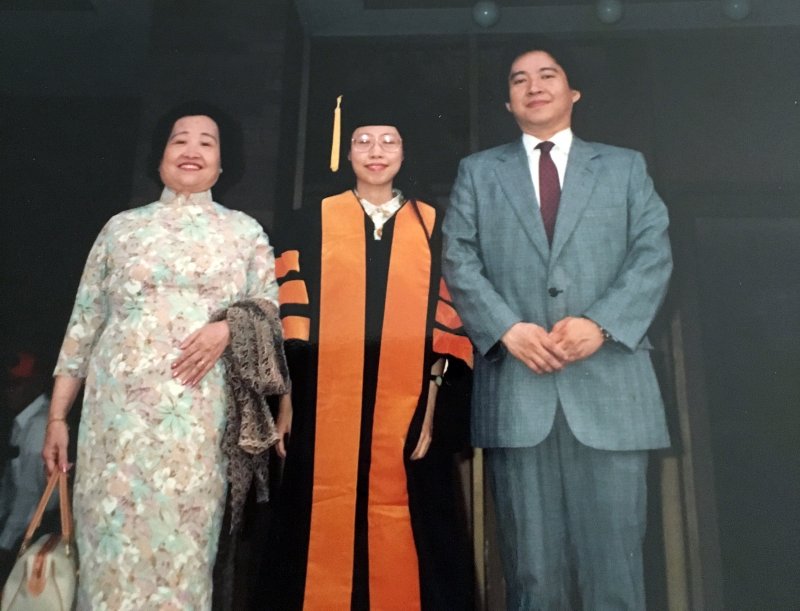
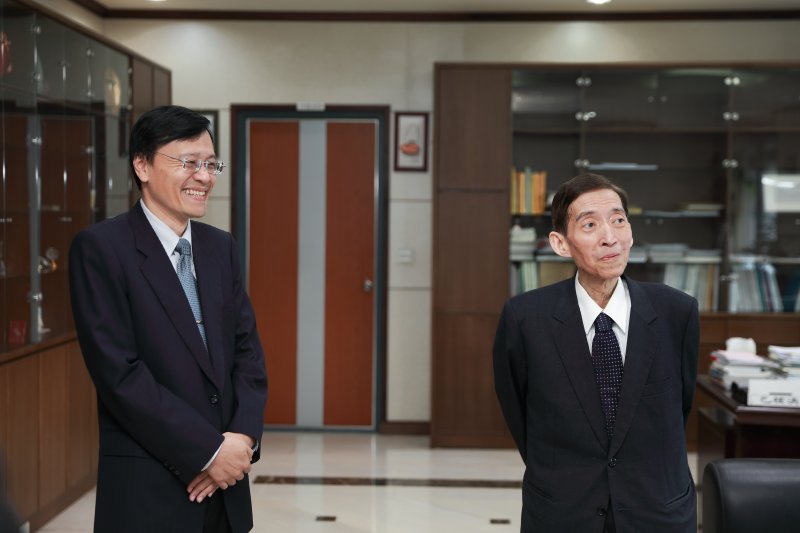
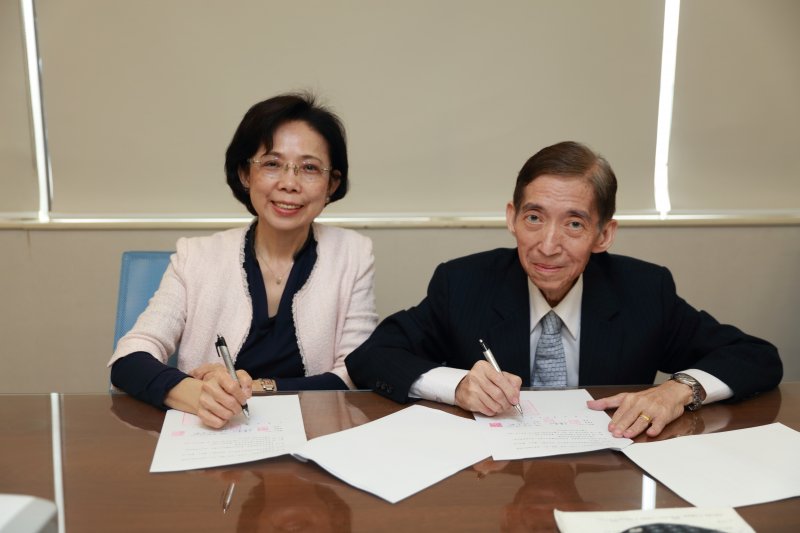
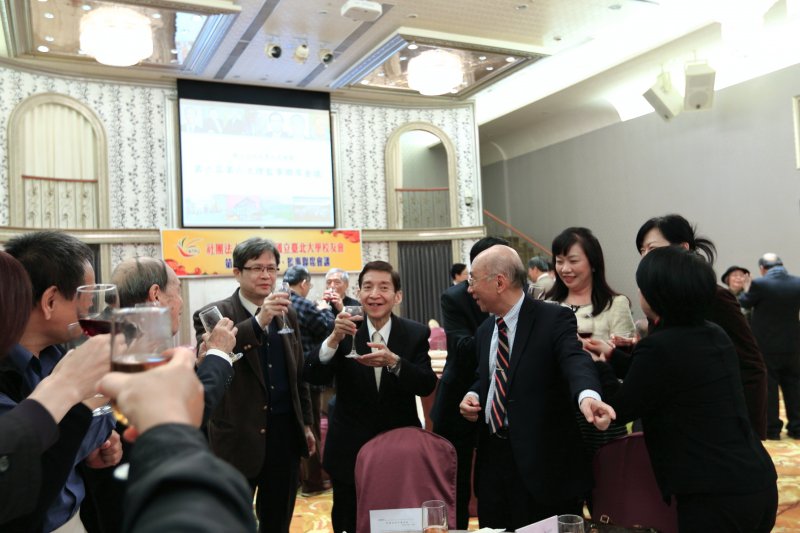
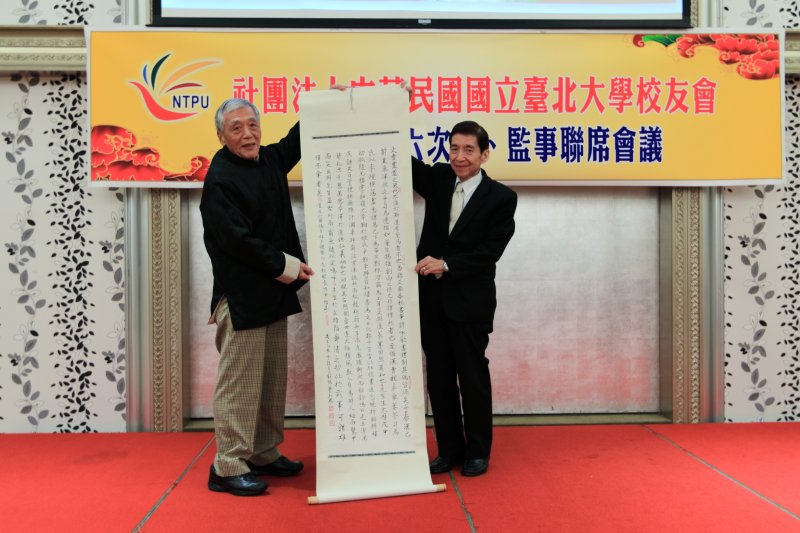
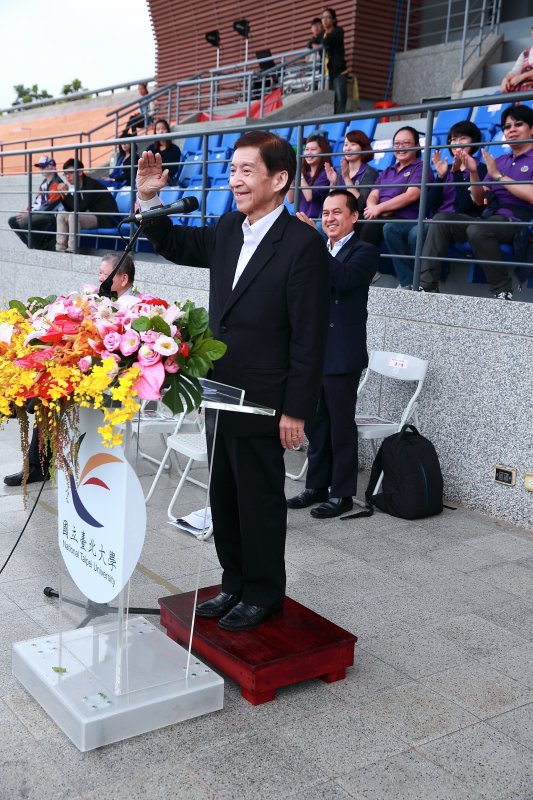
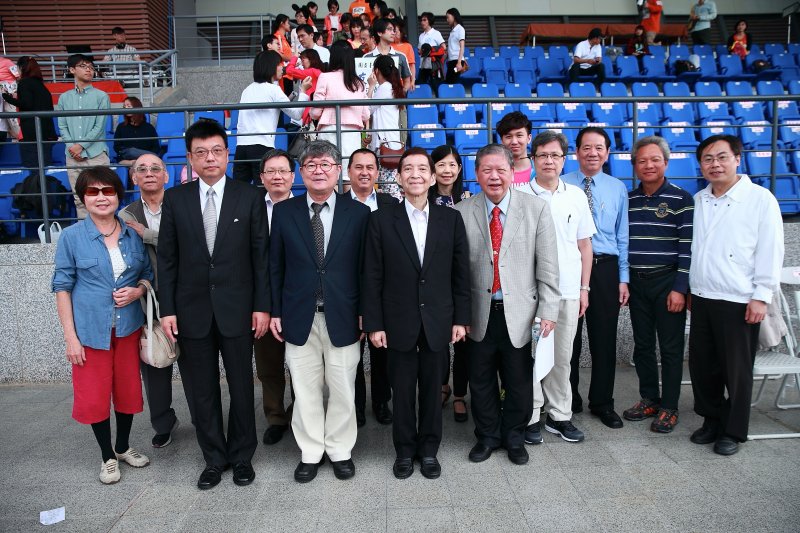
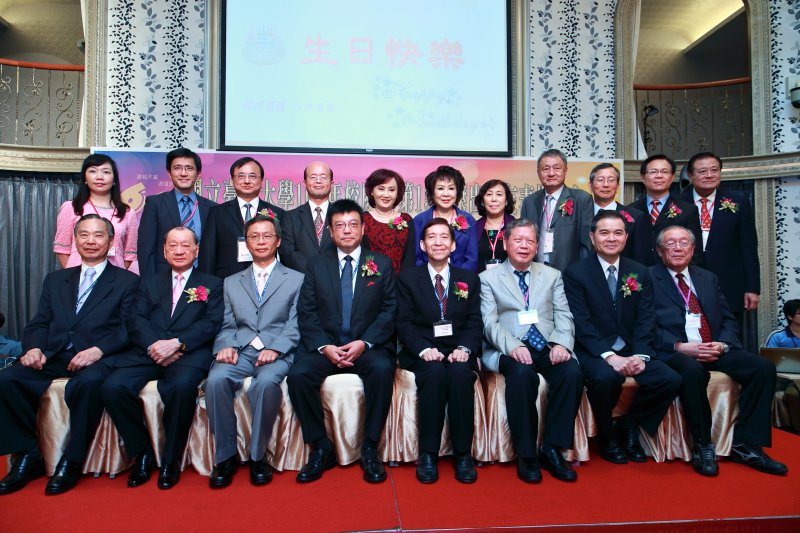
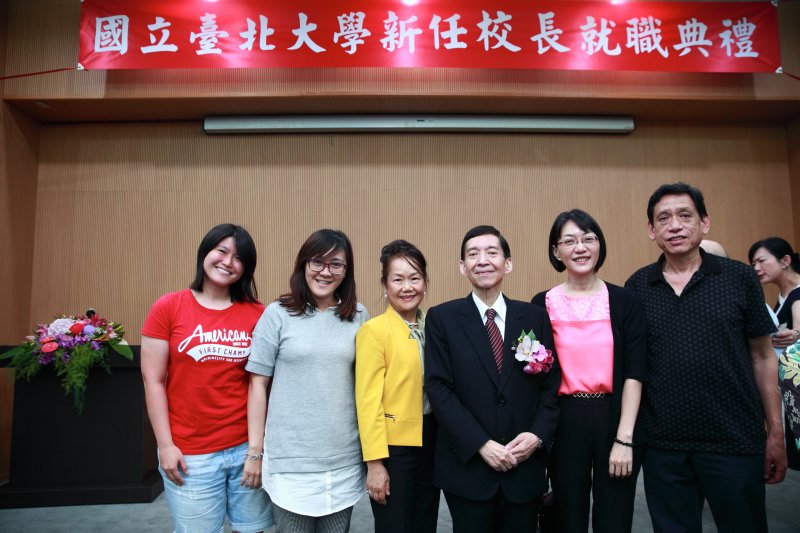
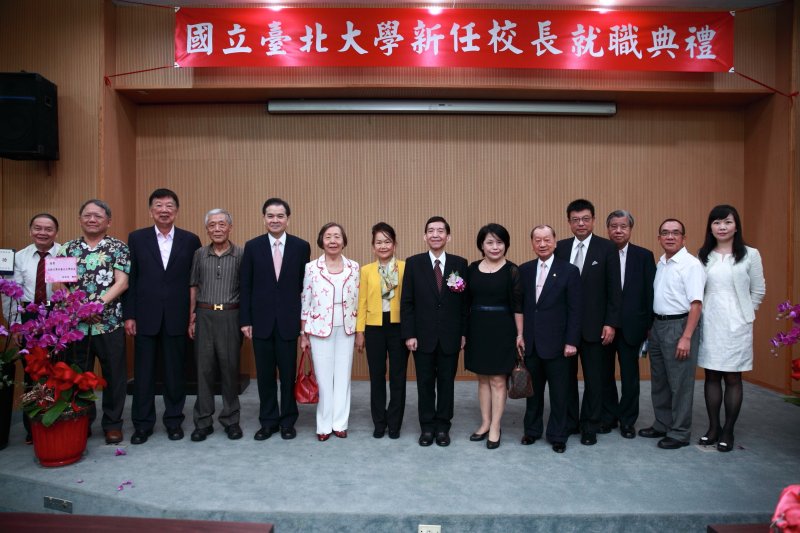
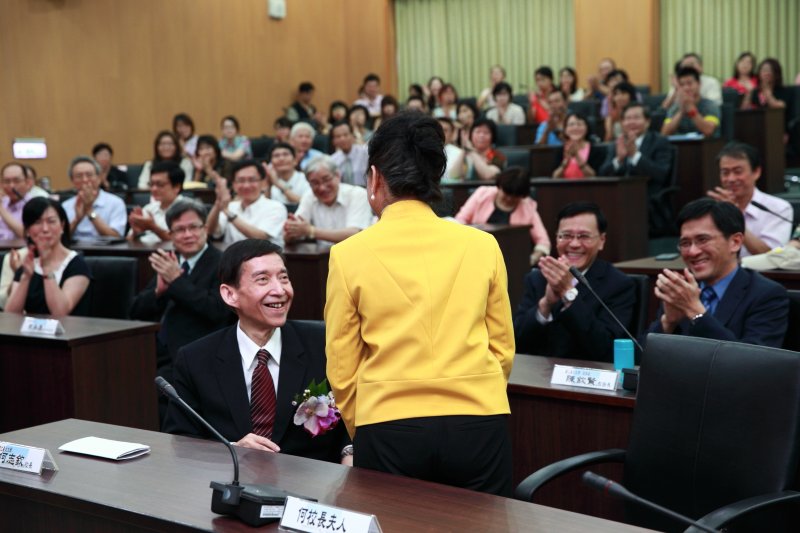
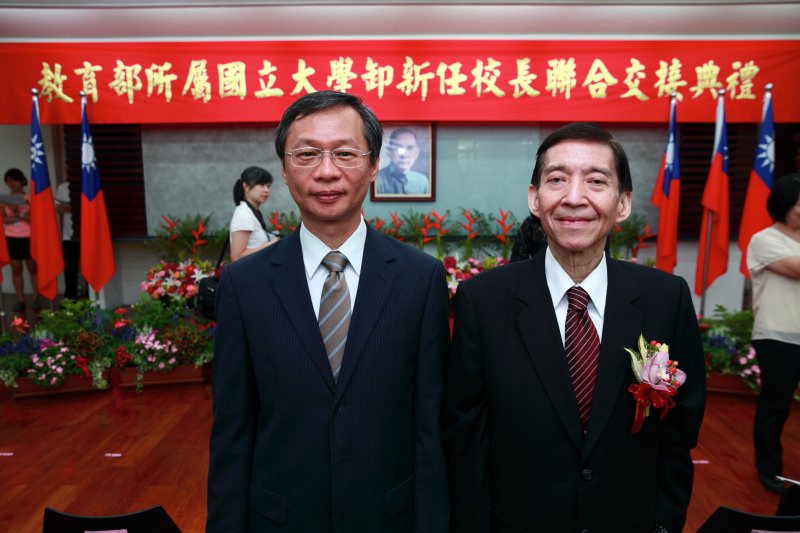
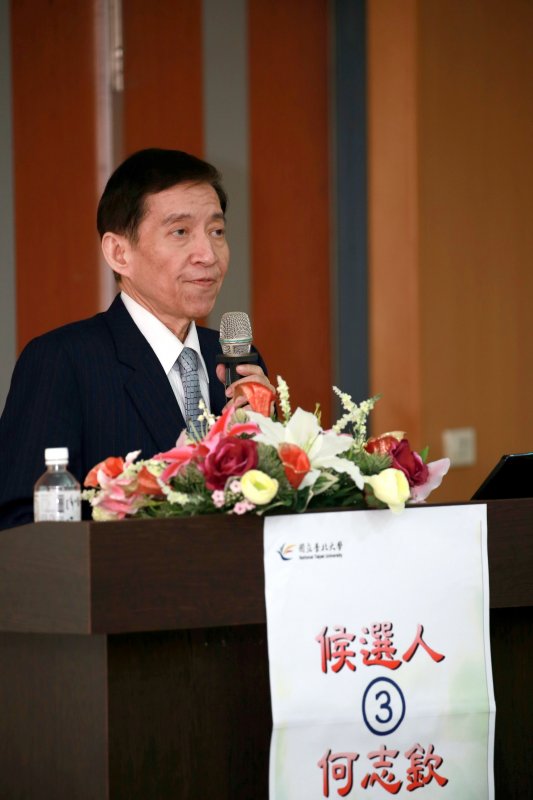
Since my father’s sudden and untimely passing in early November, I have received heartfelt condolences and words of support from family, friends and his colleagues. Almost everyone had the same thing to say: that my father was a hardworking man who was worthy of respect due to his tenure of servitude to Taiwan. I was touched by these sentiments, and indeed, they were fitting for a man of such professional stature. My father didn’t build his legacy in a day. He lived and worked in Taiwan for the past 15 years. He left the U.S. around the same time that I embarked for college. My father’s career reached its peak when he became president of a university. It marked a career milestone and gave him a sense of pride and joy. His life was a dream that was fully realized, but unfortunately short lived.
My father was always a dreamer. He was an optimist, bearing a cup that was half full when the cup of others had long been emptied. It was this mindset that helped him persevere during his life in the U.S. From my perspective, growing up in the suburbs of Virginia was an innocent and idyllic time. When we first arrived, we all lived in a small apartment building. My grandma and aunt would come to visit. We would go out to eat, and take evening walks. My father would try to get in shape and play basketball. He had no athletic ability, and it was entertaining to watch him while I rode my little bicycle around the courtyard. A few years later, my parents bought a bigger house in a more remote neighborhood. My father took me to school on the first day. I enrolled in an after school program, and he would pick me up after work. He was usually late and made an endearing impression among the teachers as a workaholic.
Most people work to live. However, in the case of my father, the phrase “live to work” would be a more accurate description. I remember we would sit on the front steps of the house and have lively and candid discussions. He once confided in me that he found work invigorating. It gave him a sense of purpose in a life that was otherwise full of menial and tedious routine. When the family re-located again to Langley, a posh suburb outside of Washington D.C, my father became even busier. He would often come home late from work. His health started declining. During my high school years, my father was hospitalized a few times. One stay came as a result of fainting suddenly while at work. The doctor’s prognosis was that he was suffering from exhaustion, which worsened an existing heart condition. It was discouraging to hear such news. Especially since my father had always enjoyed robust health. This incident made us all realize that he was still flesh and blood after all.
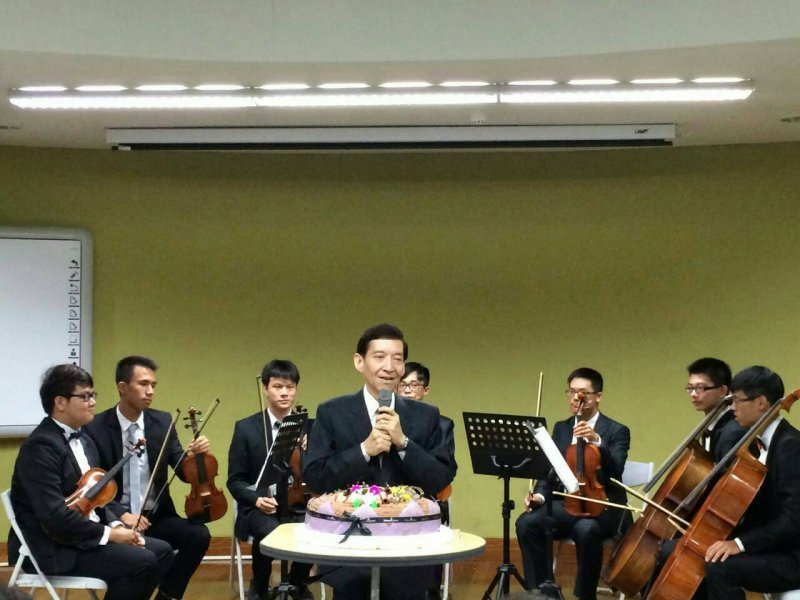
My father was a human being, and fittingly had his own repertoire of unique personality quirks. He had an irrational fear of dogs brought on by a traumatic childhood event in which he was chased by one. Dogs were to be avoided, so naturally, having a canine companion while growing up wasn’t possible. On the other end of the spectrum, my father found an unnatural appeal in junk food. Perhaps it was the only means to fill an emotional chasm that existed inside him. He was like a moth drawn to the flame, if a flame existed in the form of fast food burgers, or potato chips, or delivery pizza. My father wasn’t particularly resourceful in the kitchen and he wasn’t mindful of what he ate, so his meals remained largely devoid of nutritious value. While living in the U.S, his weight would fluctuate between normal and overweight. This would set a dangerous health precedent for the years to come. It reminds me that we are all a byproduct of our environment. Growing up in the U.S. during the ‘90s was one of middle-class stability. My father was a consumer of many things apart from junk food. He loved music, and literature…and most of all, movies. We would visit the cinemas, and he would often tell stories of his own movie-going experience with granddad. This was a family bonding experience that was apparently passed down from generation to generation. One of my father’s favorite films was Ordinary People, and its theme song (Pachelbel’s Canon in D) was one of his favorite musical pieces. He enjoyed quoting from historical figures and classical novels. To say that he was easily swayed by sentimental appeal would be an understatement.
One of my most memorable college memories occurred on graduation weekend. The morning I was supposed to meet my parents for morning brunch, I forgot to set my alarm and overslept. An argument ensued. Even though the weekend was focused on my own milestone, my father felt disrespected due to my inattentive behavior. The celebratory mood of my graduation was temporarily tarnished. This is just one example among many where my father acted severely in order to preserve his own dignity. This is what people refer to as the traditional Chinese idiom of to ‘save face’. Knowing this, father could be a bit contradictory in behavior. His mood swings were often unpredictable: from warm and pleasant one moment to aloof and distant the next. I grew to anticipate the calm before the so-called storm when he would express a sudden outburst of temper. Perhaps this is a symptom of a greater underlying issue, a lack of personal security or emotional stability. Regardless, my father was not one to express his feelings. Whatever the cause, the effect is I’ve forgiven the past and moved on.
In remembering my father, Chih-Chin Ho, I found that there were many conflicting memories of the past. There were some memories that elicit joy and fond nostalgic remembrance, and others that resurfaced darker times. It can be said that every family goes through good times and bad times. No truer words could be spoken of the relationship between me and my parents. At one point, there was a seemingly never-ending cycle of arguments followed by brief moments of peace and acquiescence. Reflecting on my life in Taiwan, only time would foretell the personal struggles and emotional challenges I had to overcome. Despite that, I will always be grateful for the life experience. I’ve shared a lot of moments with my father in Taiwan. I’ve celebrated his triumphs in life, and he was there to support me through mine. I know that even up to his last breath…his family was on his mind.
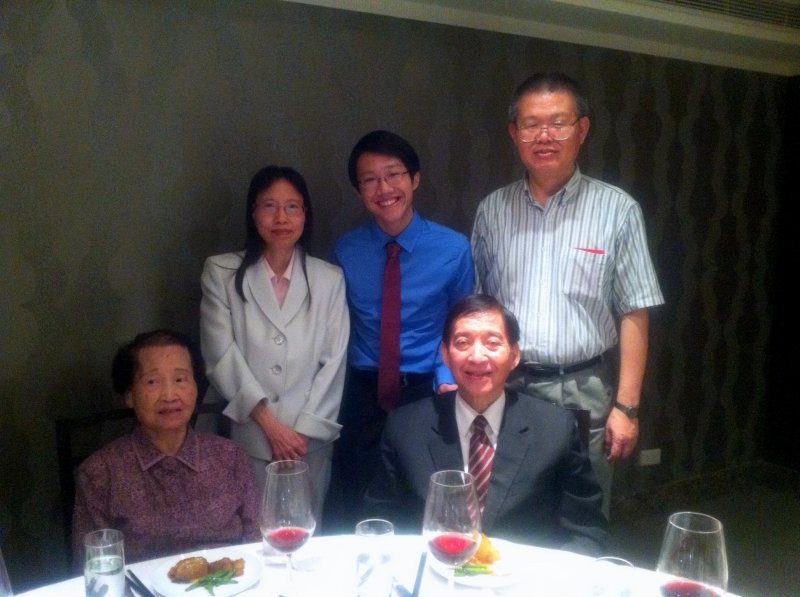
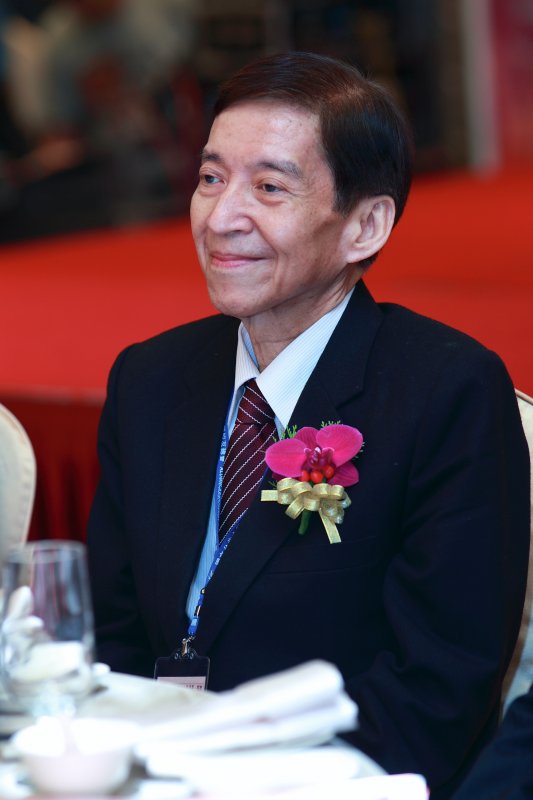
Hence, it remains that my father’s passing marks the end of a family era. This eulogy article will have been written several weeks after the fact. I have had time to reflect. There was time to grieve and tears were shed. Much of it was due to sorrow, but some (I realized in hindsight) were due to relief. My father was in frail health and his body was only in a state of decline. Rather than let him suffer in lingering illness, God in His great mercy, let him pass on in peace. I have reached a catharsis and come to terms with this realization. In the days to come, I will rely heavily on God for His strength and His guidance. Faith is and continues to be a personal source of comfort. Parents cannot choose their children, but children also cannot choose their parents. My father was a man of many flaws, but God graced him with a strong moral conscious. Many may remember Chih-Chin Ho as a public servant, as a teacher or a recipient of many career symbols of success. I will simply remember him as dad.
Dad, thank you for your every effort, all of which has helped me become the person I am today. I will try to honor your legacy. Dad, I love you and I miss you.